

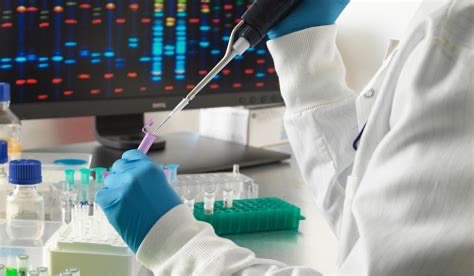
This means that human-based models such as organoids, organ-on-chip systems, and AI predictive models can now be used for new drug safety evaluations instead of traditional laboratory animals. This measure is based on a new evaluation framework called New Approach Methodologies (NAMs), and global regulatory agencies are also joining this trend. The FDA expects this policy to reduce the time and cost associated with clinical trial approvals. The U.S. NIH is also separately establishing ORIVA, a dedicated non-animal-based toxicology assessment agency. The industry has expressed optimism, stating that "human-centric testing will become established in non-clinical evaluations." In particular, demand for combined AI model and organoid platforms is expected to increase rapidly. Some opinions suggest that there are still limitations to applying NAMs in complex areas such as brain and immune system toxicity. Nevertheless, the consensus is that the trend has already shifted towards 'de-animalization.' In Korea, there is a growing call for the urgent expansion of non-clinical infrastructure to align with this change.