

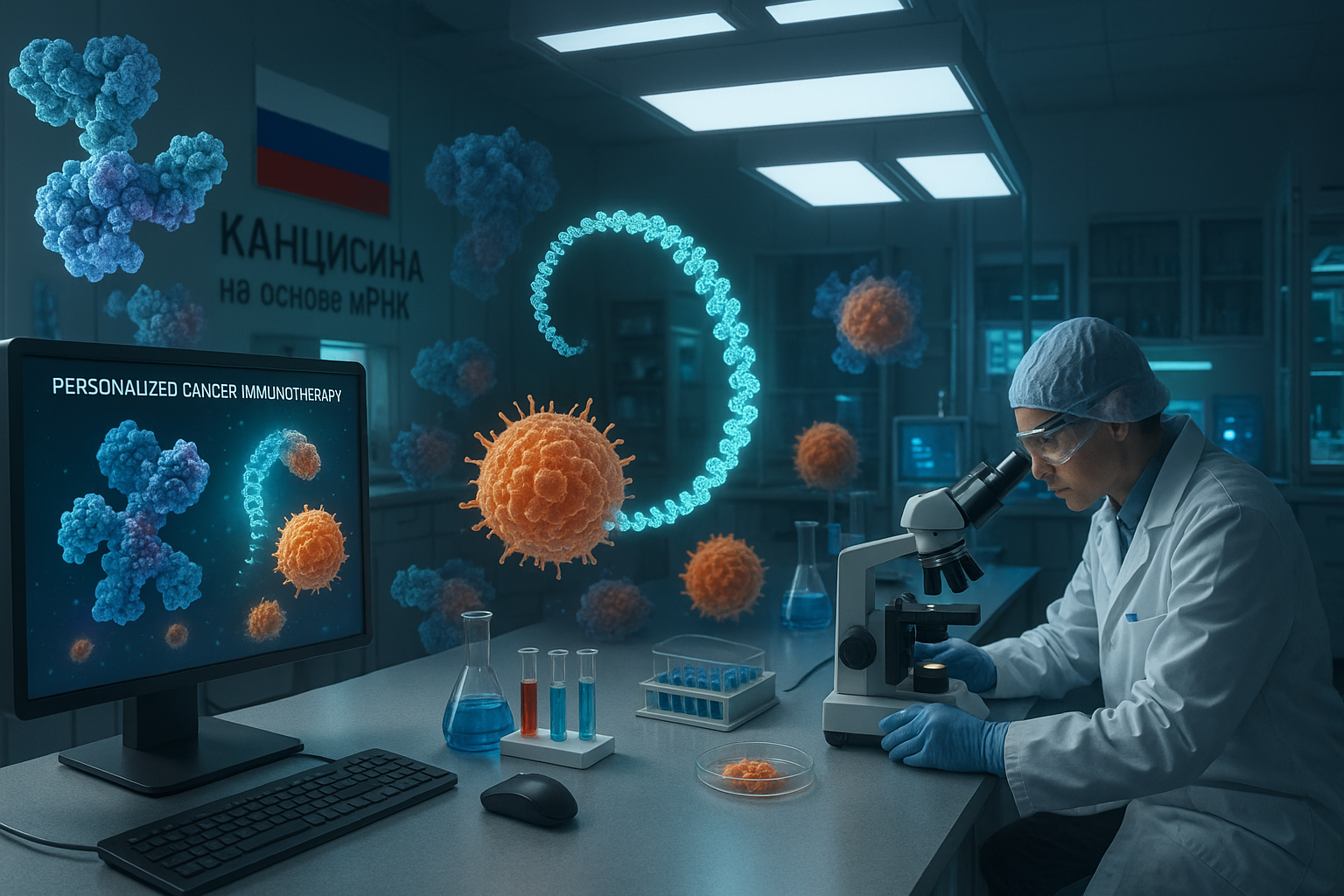
The emergence of Enteromix introduces a new variable into the global cancer vaccine development race. It now directly competes with mRNA cancer vaccines currently under development by Western pharmaceutical companies such as Pfizer-BioNTech and Moderna. Russia's announcement is believed to be based on the mRNA technology developed during the COVID-19 pandemic. The core technology of Enteromix involves identifying patient-specific tumor-specific antigens (TSAs) and manufacturing personalized mRNA vaccines that target them. Experts evaluate this approach as a potentially revolutionary alternative that could overcome the limitations of existing chemotherapy and radiation therapy. However, some Western experts emphasize the need for careful verification regarding the transparency and data disclosure of the Russian announcement. Nevertheless, the fact that Russia is emerging as a frontrunner in the personalized mRNA cancer vaccine field is an undeniable reality. The success of Enteromix will be a critical turning point that could change the global cancer treatment paradigm. Currently, the annual number of cancer cases worldwide reaches 20 million, and the cancer vaccine market is projected to grow to $20 billion by 2030. If Russia gains a first-mover advantage in this field, it could solidify its position as a biotech powerhouse. However, the possibility of facing difficulties in global market entry and technology verification processes due to international sanctions cannot be ruled out. Above all, the challenge remains for transparent disclosure of clinical trial data and international verification procedures to precede. Nevertheless, if Enteromix successfully commercializes, it will be recorded as an innovative treatment that could open a new chapter in humanity's history of conquering cancer.