

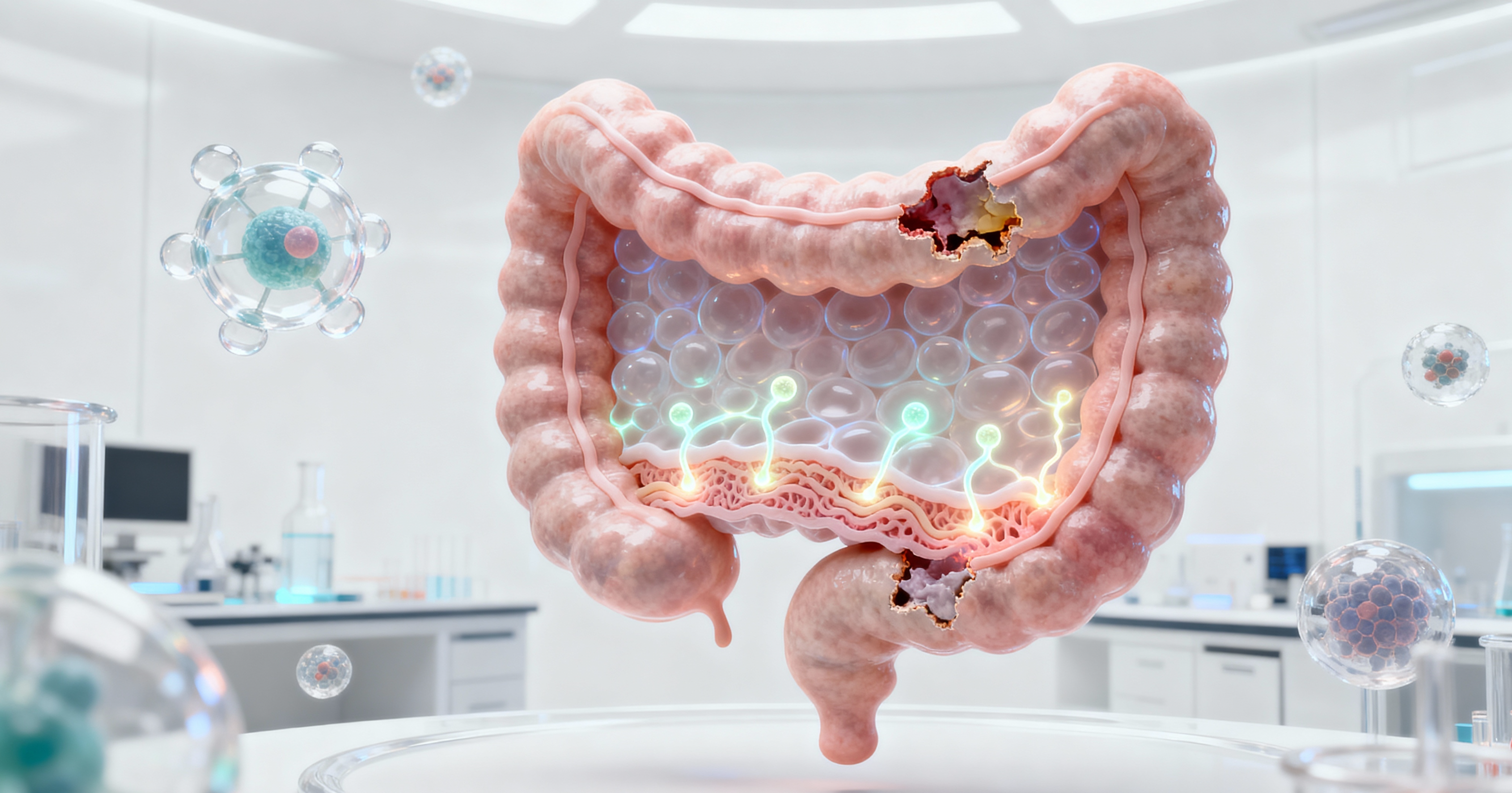
New Possibilities in Intestinal Regenerative Medicine ATORM-C, developed by Organoid Science, is a groundbreaking cell therapy that regenerates damaged intestinal tissue, marking the second time globally that such a therapy has entered clinical trials. More than 10 million people worldwide suffer from inflammatory bowel diseases (IBD) such as Crohn's disease and ulcerative colitis. Existing treatments only alleviate symptoms, offering no fundamental cure. ATORM-C involves culturing stem cells extracted from the patient's own intestinal tissue into organoids, which are then transplanted into the damaged area to regenerate the intestinal mucosa and epithelial cells. In preclinical animal studies, it demonstrated over 80% regeneration of intestinal mucosa and more than 70% reduction in inflammation. Clinical Strategy and Differentiating Factors Organoid Science has adopted an autologous transplantation method using the patient's own cells, minimizing the risk of immune rejection. Unlike existing cell therapies that use allogeneic cells and require concomitant immunosuppressants, ATORM-C utilizes the patient's own cells, ensuring high safety and excellent long-term engraftment rates. Furthermore, the organoid culture technology allows for securing a sufficient quantity of therapeutic cells from a small amount of tissue, significantly reducing the burden on patients. The ongoing Phase 1 clinical trial is evaluating safety and initial efficacy, with the goal of entering Phase 2 by 2026. Market Impact of Regenerative Medicine The market for intestinal regenerative therapies is projected to grow by over 25% annually to reach approximately 15 trillion Korean Won by 2030. The success of ATORM-C demonstrates its potential to expand beyond intestinal diseases to other organ regenerative therapies. Organoid Science has already established a pipeline of regenerative therapies based on liver, kidney, and lung organoids, and is in discussions for technology transfer with global pharmaceutical companies. Notably, regulatory easing and expanded insurance coverage for regenerative medicine in Japan and Europe are creating a favorable environment for early commercialization and global market entry.