

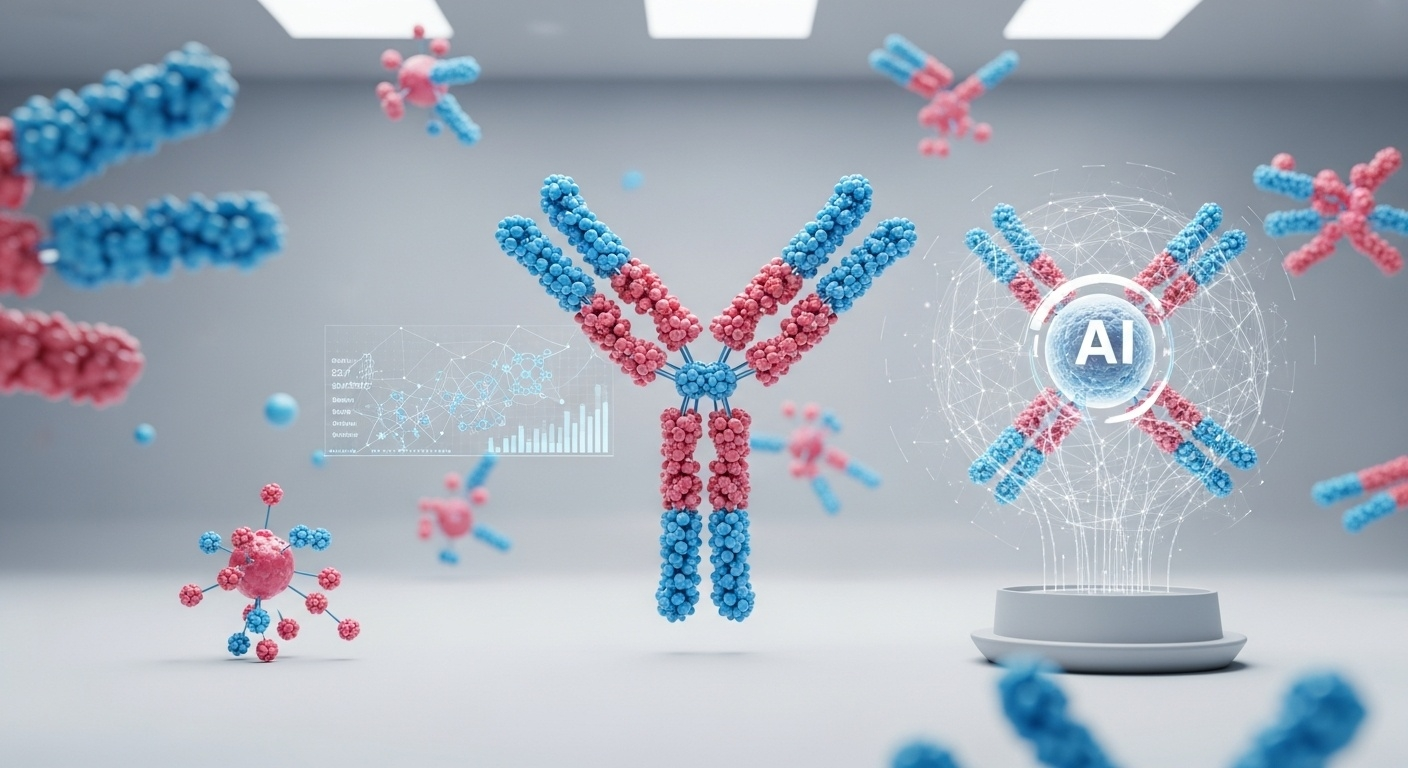
The Convergence of AI Drug Design and Global Manufacturing Galax, an AI-driven drug discovery company, and Celltrion, a global biopharmaceutical company, have embarked on a joint development project for a next-generation multi-antibody-based therapeutic for autoimmune diseases. Galax possesses 'Galaxi,' an AI-powered protein design platform, boasting the capability to design over 50 antibody candidates per target within weeks. This represents a revolutionary speed compared to traditional antibody drug development, which typically takes 2-3 years just for candidate discovery. Celltrion, with its global CDMO and biosimilar production capabilities, is the perfect partner to mass-produce the antibodies designed by Galax and supply them to the global market. This collaboration introduces a new 'AI design + global manufacturing' cooperation model for K-bio. Innovative Potential of Multi-Antibody Therapeutics Multi-antibody therapeutics simultaneously target multiple pathways, demonstrating superior therapeutic effects compared to single antibodies. Autoimmune diseases are complex conditions where the immune system attacks its own tissues, making complete symptom control difficult with single-target therapies. Multi-antibodies block inflammatory signals through multiple pathways, suppress excessive activation of immune cells, and minimize tissue damage. Galax's AI platform simulates millions of antibody combinations to identify optimal multi-antibody structures, discovering candidate substances more than 10 times faster than conventional methods. This is expected to be a new breakthrough in the treatment of intractable autoimmune diseases such as rheumatoid arthritis, Crohn's disease, and lupus. Global Market Entry Strategy and Commercialization Plan The two companies aim to complete preclinical trials by 2026 and enter Phase 1 clinical trials by 2027. Celltrion plans to conduct multinational clinical trials simultaneously, leveraging its global network across the United States, Europe, and Asia. Galax intends to increase clinical success rates by using AI technology to predict optimal dosages and administration frequencies for different patient groups. The global autoimmune disease treatment market is projected to grow to approximately 200 trillion Korean Won by 2030, and AI-based multi-antibodies are highly likely to become key players in this market. Specifically, a premium pricing strategy can be employed by targeting intractable patient groups who do not respond to existing treatments.