

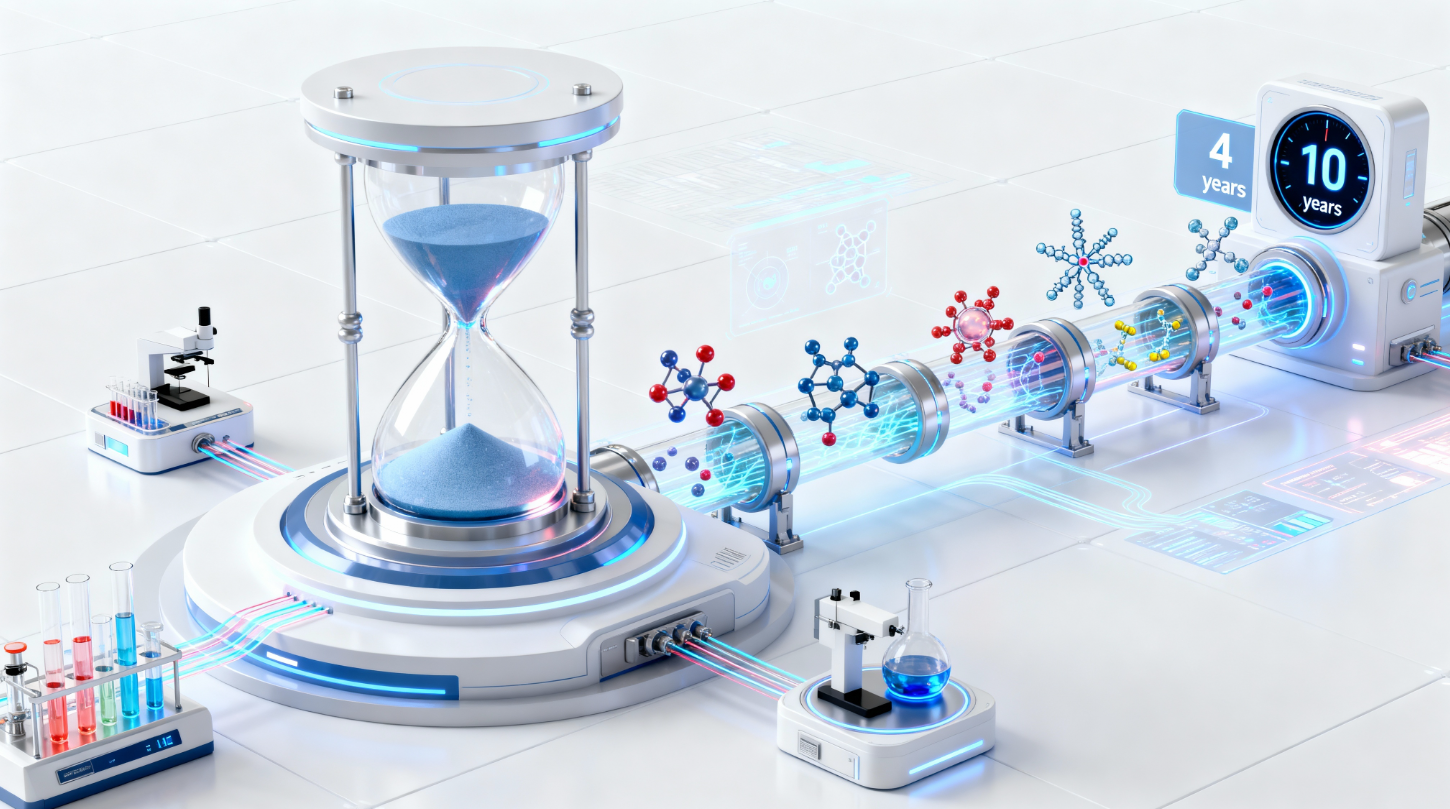
The Revolution in Drug Development Speed Driven by AI GB-0895, developed by Generate Biomedicines, is an AI-designed, long-acting anti-TSLP antibody that demonstrated remarkable speed, reaching Phase 3 clinical trials in just four years. Typically, antibody drug development from lead discovery to Phase 3 takes 8 to 10 years, but AI technology has more than halved this development period. GB-0895 targets TSLP (thymic stromal lymphopoietin), a key causative agent in allergic diseases such as asthma and atopic dermatitis. AI simulated millions of antibody structures to identify the optimal antibody structure that binds most strongly to TSLP while having a long half-life in the body. This provides the convenience of sustained efficacy for patients with just a once-a-month administration. A New Standard for Allergic Disease Treatment Asthma is a chronic respiratory disease affecting over 300 million people worldwide, and existing treatments have primarily focused on symptom relief, making fundamental resolution difficult. TSLP is a key cytokine that triggers allergic reactions, and blocking it can fundamentally suppress airway inflammation. In Phase 2 clinical trials, GB-0895 improved lung function in severe asthma patients by over 30% and reduced the frequency of asthma exacerbations by 70%. Its efficacy has also been proven in refractory patients who do not respond to existing treatments, indicating its potential to become a blockbuster drug. The global asthma treatment market is projected to grow to approximately 40 trillion Korean Won by 2030. Future Blueprint for AI Drug Development The success of GB-0895 proves that AI can be a core engine for drug development, not merely an auxiliary tool. Generate Biomedicines is already utilizing its AI platform to develop over 20 antibody candidates and is expanding its scope to include cancer, autoimmune diseases, and metabolic disorders. AI optimizes the entire process, from antibody design to predicting optimal dosages, minimizing side effects, and selecting patient populations. It is anticipated that AI-designed drugs will account for over 30% of all new drugs by 2030, with development costs expected to decrease by more than 50% compared to traditional methods. This will create a virtuous cycle, providing patients with more affordable and effective treatment options.