

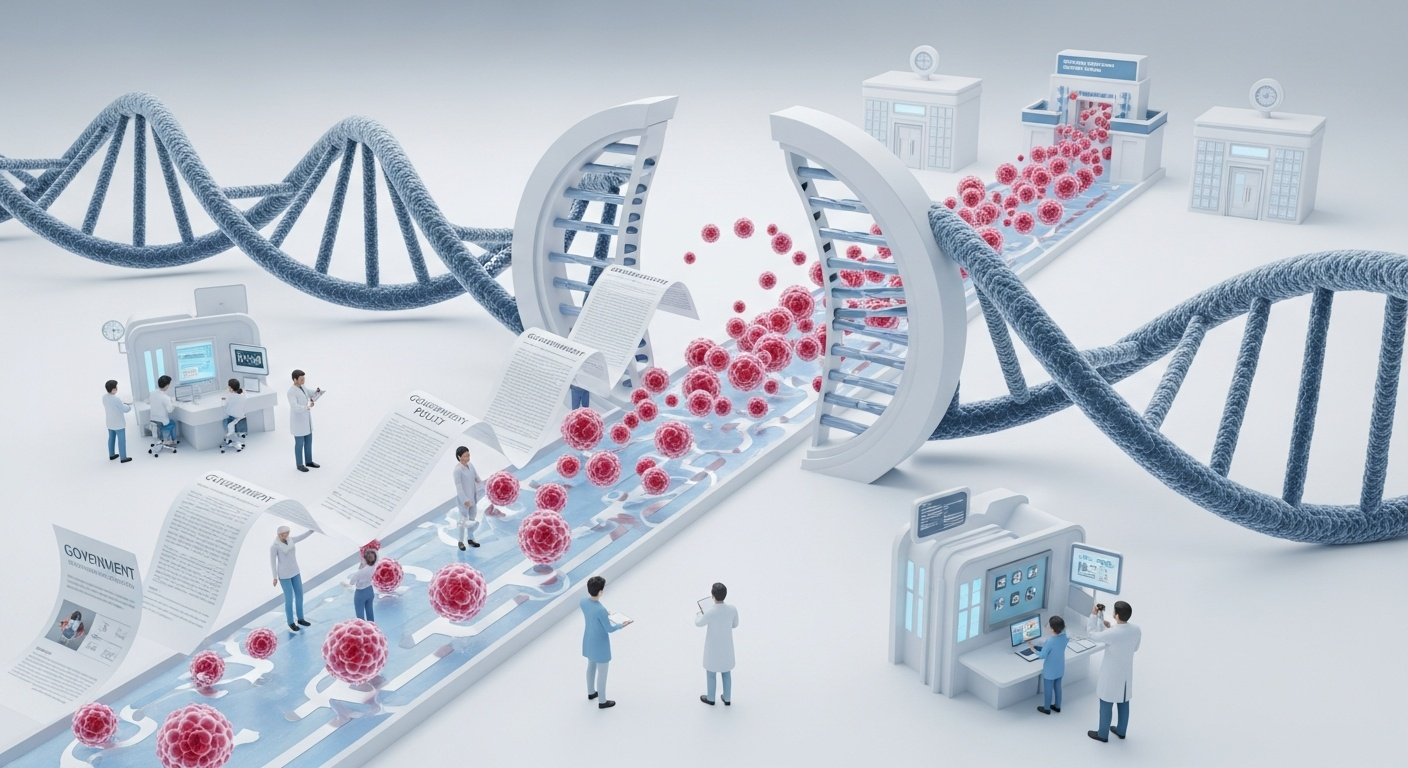
The Ministry of Health and Welfare will significantly ease regulations on advanced regenerative medicine starting January 1, 2026. The core of this improvement plan is to reduce the burden of submitting unnecessary non-clinical trial data based on cell types such as stem cells, immune cells, and somatic cells. This will allow for the use of existing research literature as alternatives or the omission of submissions when testing is not feasible. Notably, regulations will be applied differentially for autologous cell therapies, considering their relatively high safety profile. This is expected to enhance predictability for researchers and medical institutions, accelerating the transition from clinical research to actual treatment. The Ministry of Health and Welfare plans to launch a multi-institutional clinical research project in March 2026, through a public call, to verify the safety and efficacy of autologous stem cell and immune cell culture therapies. Furthermore, the planned regulatory sandbox, which began in 2025, will be expanded in 2026 to allow for the review of treatment plans based on domestic and international clinical trials and overseas clinical research results. A call for regulatory sandbox projects will be announced in February 2026 to recruit participating medical institutions and cell processing facilities. This initiative is expected to bring patients currently seeking treatment abroad back to Korea and strengthen K-bio's competitiveness in regenerative medicine. Advanced regenerative medicine presents a new paradigm for treating intractable diseases. Although it has garnered attention as a next-generation treatment method for regenerating damaged tissues, its development in Korea has been slow due to strengthened clinical regulations following the 'Hwang Woo-suk incident' in 2005. This regulatory relief is expected to accelerate the clinical entry of domestic CGT (Cell and Gene Therapy) development companies such as ENCELL and CHA Biotech. In 2026, the Ministry also plans to enhance the professionalism and convenience of clinical research and treatment plan reviews by expanding review personnel and expert resources. Korea's stem cell therapy technology is world-class, and this regulatory easing is expected to fully unleash its potential.