

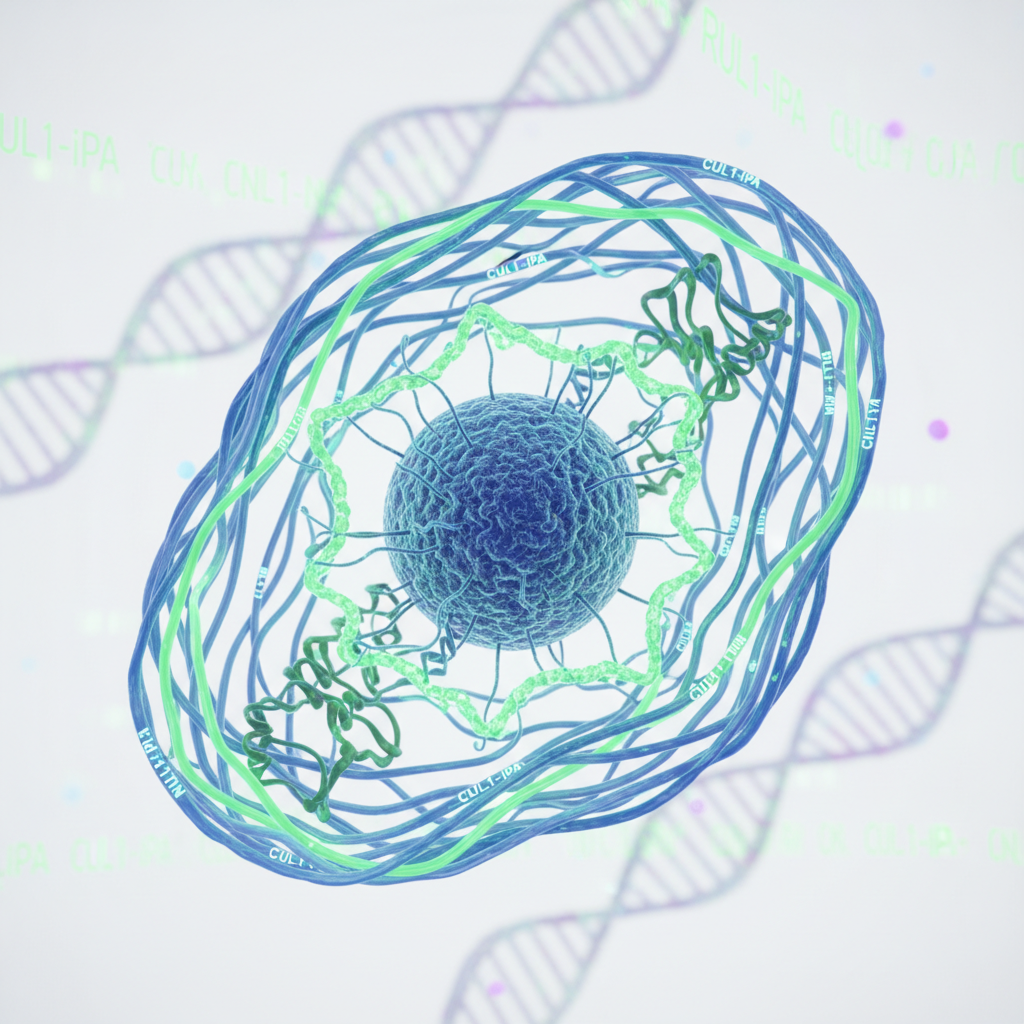
In a recent study, scientists discovered a remarkable RNA molecule that challenges long-held beliefs about how genes operate. This RNA, derived from the CUL1 gene, has been named 'CUL1-IPA' and is a non-coding RNA that does not produce proteins. This suggests that genes typically known for protein production can also directly create other functional RNAs that regulate cellular activities. This discovery redefines the conventional assumption that genes merely produce protein-coding messages. CUL1-IPA plays a crucial role within the cell nucleus. Specifically, this RNA molecule helps maintain the structure and function of the nucleolus, a cellular organelle responsible for ribosome production. When the research team removed CUL1-IPA from living cells, the nucleolus lost its structural integrity, and the cells showed clear signs of stress. This clearly demonstrates that non-coding RNA derived from protein-coding genes can play a key regulatory role in cells. This discovery of CUL1-IPA adds to the evidence that a single gene can generate multiple functional RNA molecules. This research has broad implications beyond basic cell biology. Notably, it could play a key role in improving the survival rates of patients with certain blood cancers, and in the future, molecules like CUL1-IPA have the potential to become targets for new cancer therapies or serve as guides for treatment decisions. This presents a new direction for cancer research and drug development strategies.