

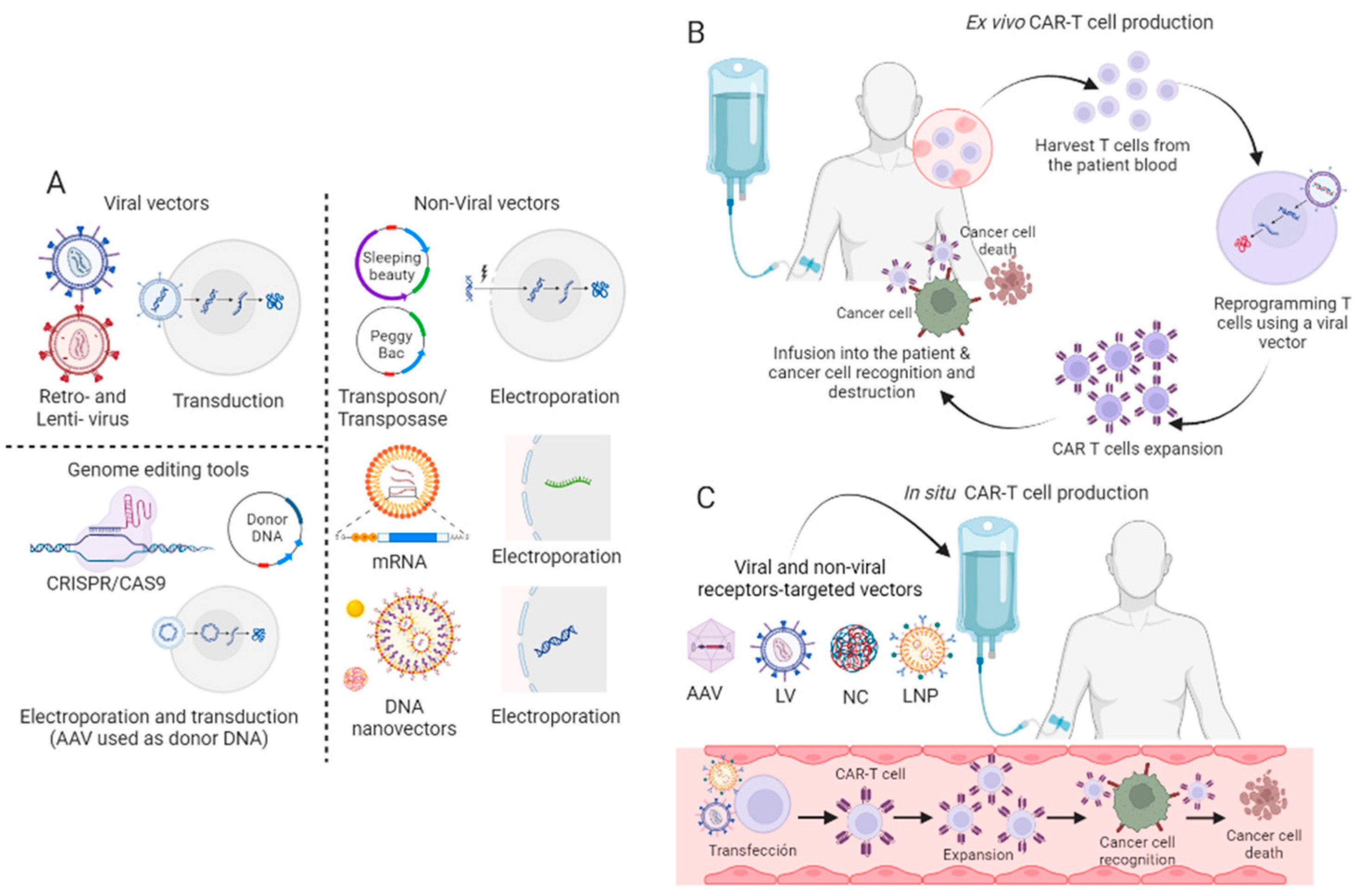
Kite has secured in-vivo CAR-T platform technology, moving beyond ex-vivo approaches. Interius possesses technology that generates CAR-T or CAR-NK cells directly within the patient's body through a single intravenous injection. Its key pipeline, INT2104, is currently in Phase 1 clinical trials for B-cell lymphoma. This offers groundbreaking advantages over existing methods in terms of manufacturing time, cost, and treatment accessibility, and is anticipated to be a 'game changer' in the CAR-T market. Through this acquisition, Kite plans to integrate Interius's team and research facilities in Philadelphia to establish an 'In-vivo Cell Therapy Center of Excellence'. This platform bypasses traditional cell collection and processing steps, and its application scope can be expanded to autoimmune diseases, solid tumors, and rare diseases in the future. Already, M&A activities and collaborative research focused on in-vivo platforms are actively underway among global pharmaceutical companies, with over 100 related pipelines expected to emerge by the end of 2025. Gilead, however, has analyzed that this acquisition will reduce its 2025 earnings per share (EPS) by approximately $0.23-$0.25. Nevertheless, given the rapid shift in the cell therapy industry towards next-generation approaches, this decision is largely seen as a long-term strategic investment. This case provides significant implications for venture biotech companies like HADD Science, highlighting the importance of strategic expansion centered on platform-based technologies.