

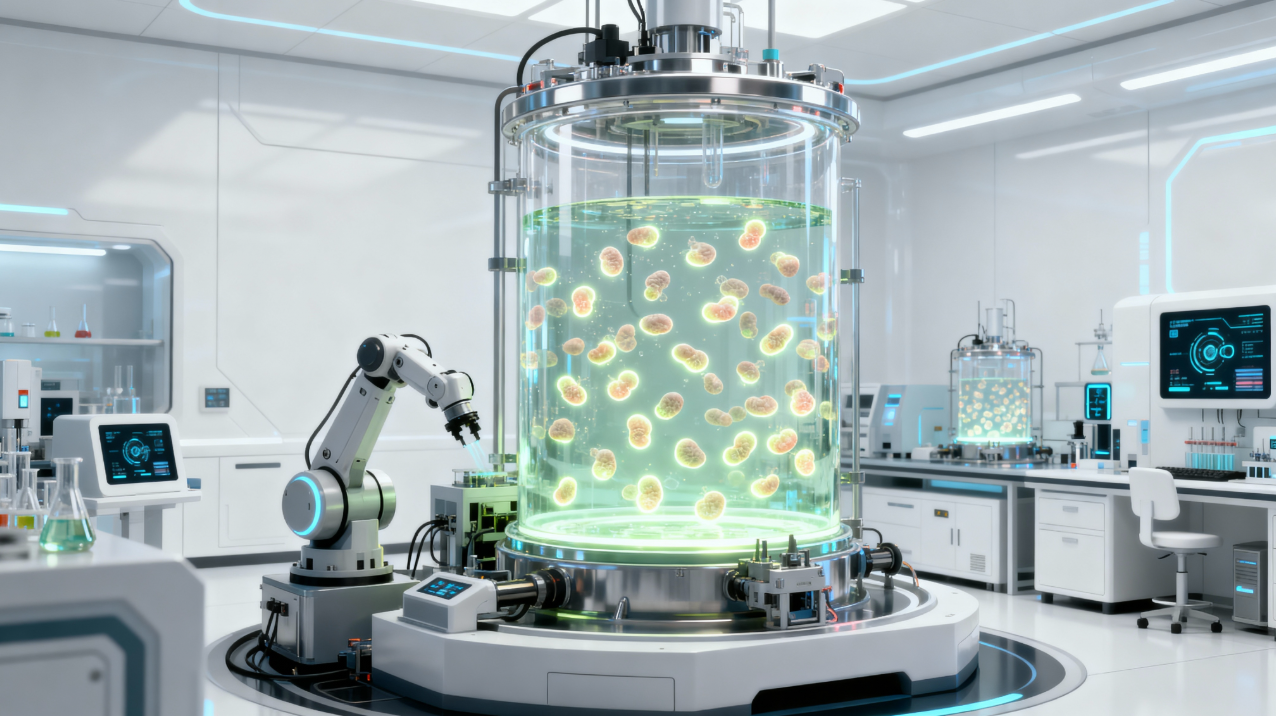
Technological Leap in Organoid Mass Production ACROBiosystems and its partners announced research achievements in the automated production of transplantable organoids on a 10^5 (100,000) scale at OrganoAsia 2025 in Beijing. Organoids are 'mini-organs' cultured from stem cells, mimicking the structure and function of actual human organs. Previously, they were produced on a small scale manually and used only for research. However, this new automation technology has paved the way for mass production of organoids for therapeutic use. The automated system, with robots and AI handling the entire process from stem cell culture and differentiation induction to 3D structure formation and quality control, enables the mass production of organoids with consistent quality. This could offer new hope to patients awaiting organ transplants. Game Changer in the Regenerative Medicine Market Globally, hundreds of thousands of patients are on organ transplant waiting lists, and tens of thousands die each year due due to a shortage of donor organs. Organoids offer an innovative alternative to solve this problem. If organoids are created from a patient's own cells, they can be transplanted without immune rejection, and they can be mass-produced as needed. Currently, organoids of various organs such as the liver, kidney, lung, heart, and brain are being researched, and some have already entered preclinical stages. The global organoid market is projected to grow to approximately 20 trillion Korean Won by 2030, establishing itself as a core technology that will revolutionize the entire regenerative medicine industry. Commercialization Roadmap and Regulatory Challenges Several challenges remain for the commercialization of organoid therapeutics. First, the maturity and functionality of organoids must be elevated to the level of actual organs. Currently, organoids exhibit fetal-stage maturity, making it difficult for them to fully function like adult organs. Second, the formation of vascular networks is essential. Large organoids are prone to necrosis due to insufficient oxygen and nutrient supply to their interior, thus requiring technology to form blood vessels simultaneously. Third, the regulatory approval pathway is not yet clear. As organoids have characteristics intermediate between cell therapies and tissue engineering products, regulatory authorities in various countries are developing new approval standards. Nevertheless, the first commercial organoid therapeutics are expected to be launched between 2028 and 2030.