

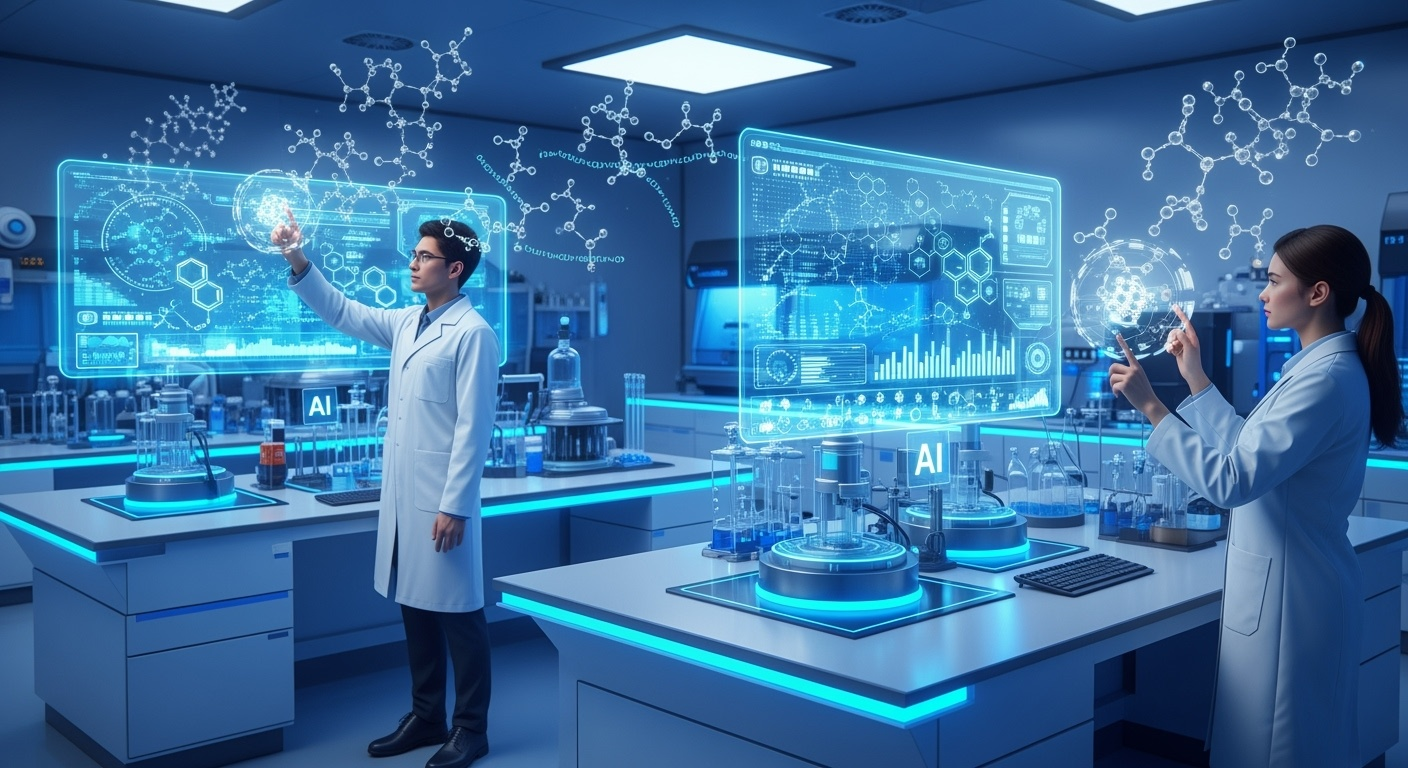
This innovative antibiotic has been confirmed to be effective against Neisseria gonorrhoeae, which causes the sexually transmitted disease gonorrhea, and methicillin-resistant Staphylococcus aureus (MRSA). The research team trained the AI model by screening 36 million compounds, excluding substances similar to existing antibiotics and compounds potentially harmful to humans. Driven by these achievements, global pharmaceutical companies are dramatically increasing their investment in AI-driven drug discovery. Last month, GlaxoSmithKline (GSK) in the UK signed an exclusive agreement with Jiangsu Hengrui Pharmaceuticals for the development and sale of 12 new drug candidates, valued at $12.5 billion (17.4 trillion won), the largest deal in China's history. AstraZeneca also agreed in June to invest over $5 billion (7 trillion won) in China's CSPC Pharmaceutical Group, and in April, Sanofi of France signed a licensing agreement with Earendil Labs worth $1.7 billion (23.4 trillion won). Particularly noteworthy is that AI models can go beyond merely searching existing compounds to create entirely new substances through free design. The research team utilized two methods: analyzing data from millions of chemical compounds consisting of 8 to 19 atoms to design new substances, and allowing AI to undertake completely free design. This AI-based drug discovery is expected to significantly shorten the drug development period, which traditionally takes 10 to 15 years. It is also projected to greatly increase the success rate of drug development, which has historically been very low. In Korea, companies such as Neurophit, FirstBio Therapeutics, and Oncocross are also leveraging AI technology to pursue research collaborations with domestic and international companies and institutions, which is expected to contribute to strengthening K-Bio's global competitiveness.